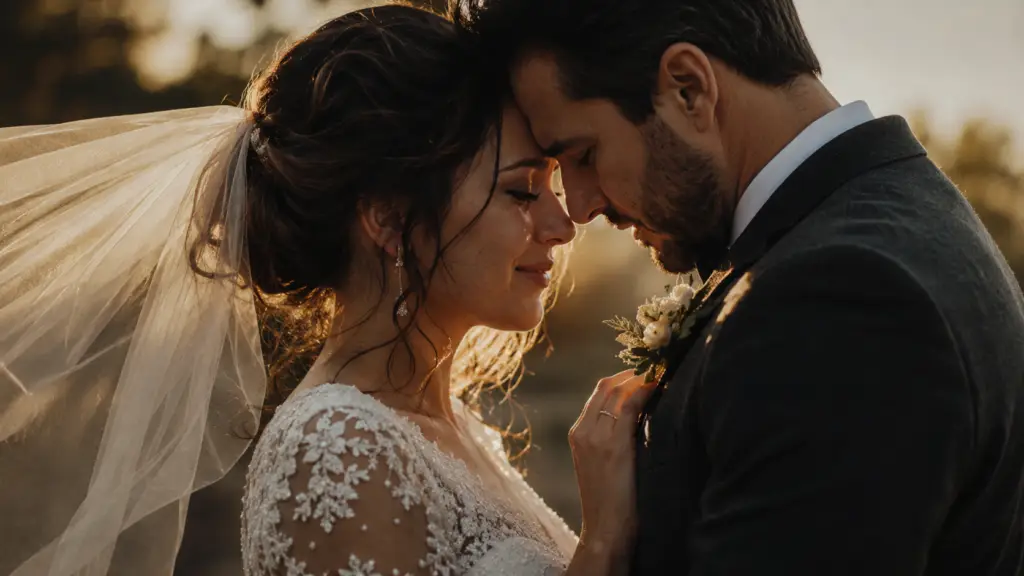
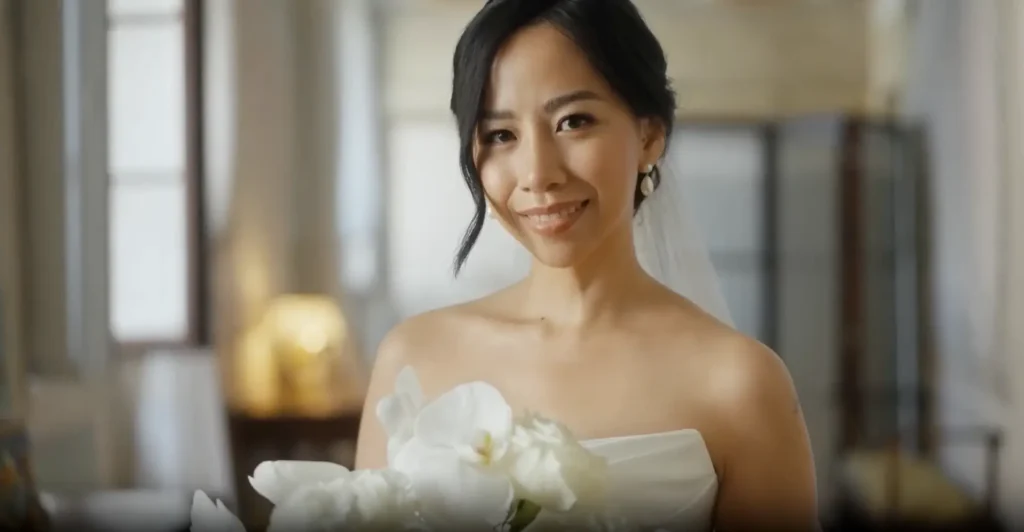
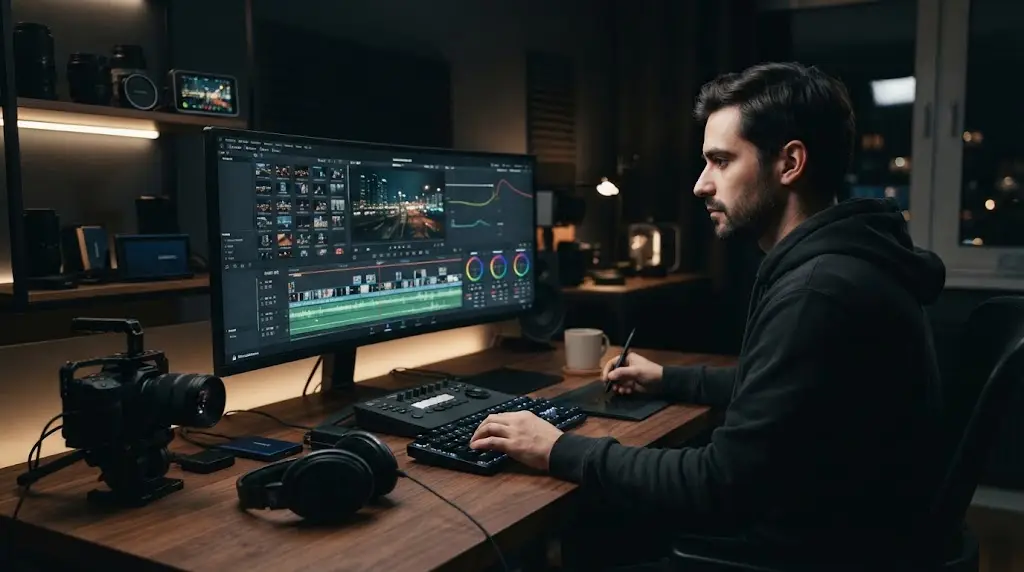
Capturing Timeless Moments: The Role of a Wedding Video Agency
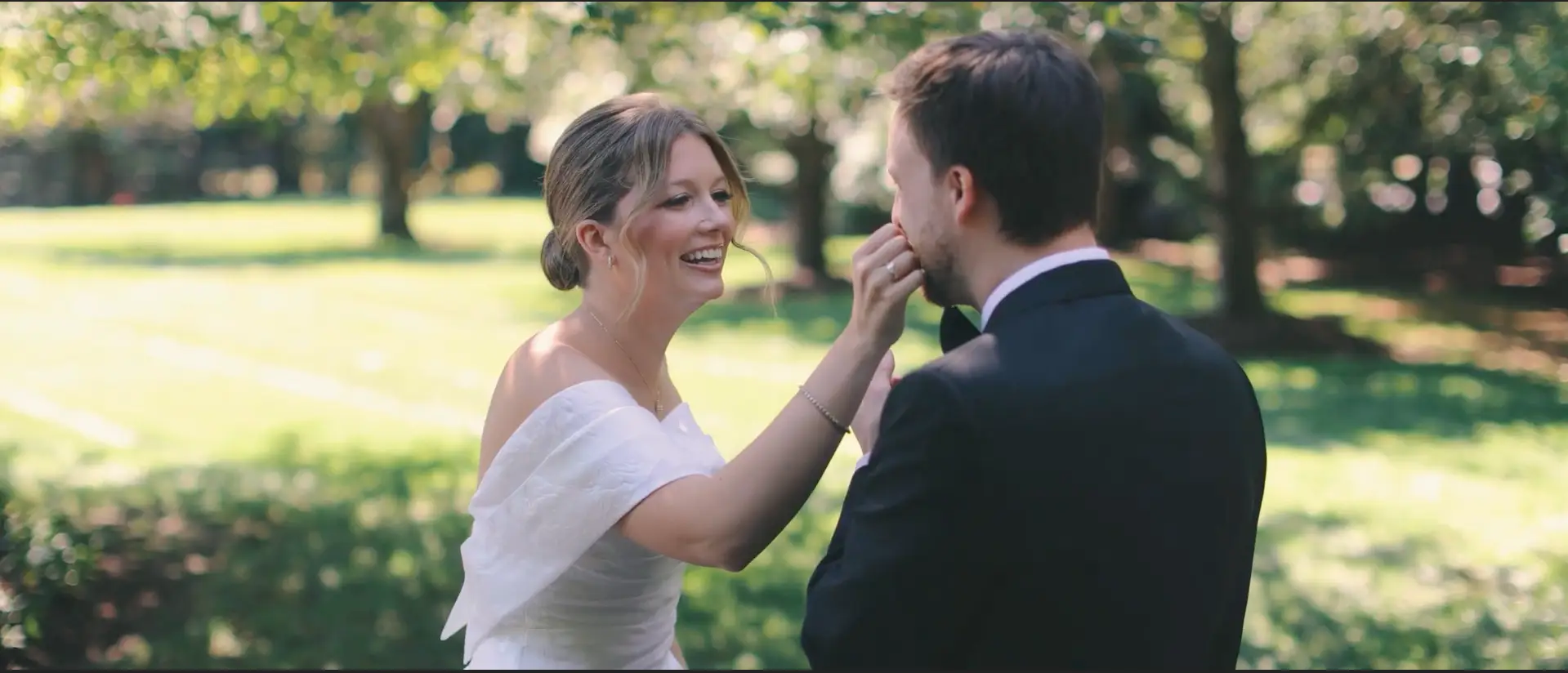
A great wedding film is more than a collection of beautiful shots. It is a carefully shaped story built from real emotions, meaningful dialogue, natural sound, music, movement, and the small moments that make a wedding unforgettable. Behind many of those finished films is a professional wedding video agency handling the creative and technical work required to turn hours of raw footage into a story couples can watch and feel for years.
For wedding filmmakers and videographers, choosing the right production partner can make a major difference. A reliable agency can take care of demanding post-production work while helping you maintain your creative identity, delivery standards, and client experience.
But what exactly does a wedding video agency do? What happens after the cameras stop recording? And how can professional post-production help a wedding filmmaker manage a growing workload without sacrificing quality?
In this guide, we will look at how a wedding video agency works, what happens during wedding video post-production, why editing matters so much to the final story, and what filmmakers should consider before outsourcing their wedding editing.
- What Is a Wedding Video Agency?
- How Does a Wedding Video Agency Work?
- Why Editing Is the Heart of a Wedding Film
- What Services Can a Wedding Video Agency Provide?
- Why Style Matching Matters
- The Importance of Audio
- Color Grading and Finishing
- Why Wedding Filmmakers Outsource Editing
- How to Choose the Right Wedding Video Agency
- Questions to Ask Before Hiring an Agency
- Building a Better Post-Production Workflow
- Final Thoughts
What Is a Wedding Video Agency?
A wedding video agency is a professional production or post-production team that helps create finished wedding films from captured footage. Depending on the agency, its services may include filming, editing, color correction, audio post-production, music editing, social media content, teasers, or complete wedding post-production.
For wedding filmmakers who already handle the shooting themselves, a post-production-focused agency can become an extension of their studio. Instead of handing raw footage to a general video editor, the filmmaker works with people who understand wedding storytelling, ceremony coverage, speeches, emotional moments, multicamera production, and the turnaround expectations of the wedding industry.
The best agencies do not simply cut clips together. They understand that a wedding film needs progression. The opening should create interest, the middle should develop the story, and the emotional and celebratory moments should have room to breathe.
The result should feel intentional rather than like a timeline filled with disconnected clips.
The goal is not to make every wedding look the same. A strong editing partner should preserve the filmmaker's established style while improving storytelling, pacing, sound, color, and overall finishing quality.
How Does a Wedding Video Agency Work?
A professional wedding video agency usually follows a structured workflow. A clear process protects the quality of the final film and makes communication easier for both the filmmaker and the editing team.
1. Footage and Project Information
The process starts when the agency receives the wedding footage and project information. This can include camera files, audio recordings, music selections, previous examples, client notes, timelines, and delivery requirements.
Understanding the filmmaker's expectations before cutting begins is extremely important. Two wedding filmmakers can shoot the same event but want completely different films. One may prefer documentary pacing and natural audio, while another may prefer energetic music-driven highlights.
2. Understanding the Filmmaker's Style
Before editing begins, the agency should study reference films or previous work. This helps the editor understand preferred pacing, transitions, color, music, audio treatment, shot selection, and storytelling structure.
Style matching is particularly important when a wedding filmmaker outsources work under their own brand. The finished film should feel like it belongs in the filmmaker's portfolio rather than looking like it was produced by an unrelated editing company.
3. Organization and Synchronization
Wedding projects can contain footage from multiple cameras, microphones, recorders, drones, phones, and other sources. Before the creative edit begins, the material needs to be organized and synchronized.
Multicam synchronization is especially important for ceremonies and speeches. Clean synchronization allows the editor to move between camera angles while maintaining natural dialogue and continuity.
4. Story Editing
Once the material is organized, the editor begins shaping the story. This is where technical editing becomes creative storytelling.
The editor searches for meaningful moments: vows, speeches, reactions, laughter, tears, conversations, entrances, family interactions, dancing, and the unscripted moments that reveal personality.
Instead of simply selecting the most visually impressive shots, the editor considers how each moment contributes to the emotional arc of the film.
Want to go deeper into wedding storytelling and social-first editing? Read our guide on how to make a wedding video go viral for practical techniques covering hooks, emotional storytelling, pacing, audio, and shareable wedding content.
5. Music and Natural Sound
Music can establish energy and emotion, but wedding films also depend heavily on natural sound. A bride's voice, a groom's reaction, a parent's speech, applause, laughter, and room ambience can make a film feel authentic.
A strong wedding video agency understands how to balance music with dialogue and natural sound rather than allowing the soundtrack to overpower the story.
6. Review and Revisions
Once the first version is ready, the filmmaker reviews the edit and provides feedback. A professional review workflow makes revisions easier to understand and prevents long email chains filled with unclear timestamps.
Online review platforms such as Frame.io can make this process more efficient by allowing comments to be attached directly to specific moments in the video.
7. Final Finishing and Delivery
After revisions, the project moves into final finishing. This may include color correction, color grading, audio cleanup, mastering, quality control, export, and project-file preparation.
The finished film should be checked carefully before delivery so that technical issues, missing media, audio problems, or export errors do not reach the client.
Why Editing Is the Heart of a Wedding Film
Wedding videography begins when the camera starts recording, but the story is often discovered during the edit. A wedding day may produce many hours of footage, yet the final highlight may only be a few minutes long.
That means the editor has to make hundreds of decisions. Which reaction belongs after a speech? Which line from the vows should open the story? Should the ceremony continue naturally or should it be intercut with preparation footage? When should the music change? How long should a shot stay on screen?
These decisions determine how the audience experiences the wedding.
A technically clean edit can still feel emotionally empty if the story is not considered. Conversely, an editor who understands story can turn ordinary moments into meaningful sequences through timing, juxtaposition, sound, and pacing.
This is why choosing an editing partner should involve more than checking whether they know Premiere Pro or another editing platform. The editor needs to understand the language of wedding films.
What Services Can a Wedding Video Agency Provide?
Different filmmakers need different levels of support. Some need a complete edit from raw footage to final master, while others only need specific deliverables. A professional agency can offer several types of wedding post-production.
Wedding Highlight Editing
Shorter wedding films built around the strongest emotional and narrative moments from the day. Highlights can combine vows, speeches, reactions, preparation, ceremony, and reception footage into a concise story.
Full Wedding Film Editing
Longer-form wedding films require careful organization, multicamera editing, dialogue management, ceremony coverage, speeches, reception footage, and consistent finishing across a much larger timeline.
Wedding Social Media Reels
Short-form wedding content can turn existing wedding footage into vertical videos designed for social platforms. These edits focus on strong hooks, concise storytelling, pacing, captions when needed, and mobile-first composition.
Teasers and Short Films
Teasers can provide couples with an early taste of the final film while helping wedding studios create additional content for their own marketing and social channels.
Why Style Matching Matters in Wedding Video Editing
Every wedding filmmaker develops a recognizable visual identity. It may come from the way they compose shots, select music, use natural sound, build sequences, grade colors, or structure their films.
When editing is outsourced, protecting that identity becomes one of the most important responsibilities of the post-production partner.
A good editor should not automatically apply the same transitions, color treatment, pacing, or music choices to every project. Instead, they should learn the filmmaker's preferences and adapt the edit accordingly.
This is particularly valuable for studios that want to scale. If the filmmaker can hand off post-production without losing the style their clients recognize, they can increase capacity without completely changing the creative identity of the business.
Before hiring an agency, share a few examples of your previous films. Explain what you like about them and what you want to avoid. The more clearly the creative expectations are communicated, the easier it becomes for the editor to reproduce the right style.
The Importance of Audio in a Wedding Film
Beautiful images can attract attention, but audio often creates the emotional connection. A perfectly timed sentence from a wedding speech can completely change the meaning of a sequence.
Wedding audio can also be challenging. Ceremony microphones may contain wind noise, room reflections, clothing rustle, handling noise, or interference. Reception speeches can contain crowd noise, multiple speakers, music bleeding into microphones, and inconsistent recording levels.
Professional wedding post-production should therefore include careful dialogue editing and audio balancing.
The objective is not to make everything unnaturally clean. Natural ambience can help place the viewer inside the moment. The goal is to remove distracting problems while preserving the atmosphere of the wedding.
Music should also support the dialogue instead of competing with it. When a meaningful speech or vow is happening, the soundtrack often needs to become secondary so the words can carry the emotion.
Color Grading and Final Finishing
Wedding footage frequently comes from different cameras, lenses, picture profiles, and lighting conditions. Without consistent color correction, shots from the same scene can look noticeably different.
Color correction establishes consistency. Color grading then gives the film its final visual character.
A professional editor should understand exposure, white balance, skin tones, contrast, saturation, and camera matching. The goal is to create a cohesive film while respecting the filmmaker's established look.
For filmmakers who already use a particular LUT or grading workflow, providing those references to the editing team can help maintain consistency from project to project.
Why Wedding Filmmakers Outsource Editing
Shooting a wedding is only one part of running a wedding filmmaking business. After the event, there may be hours of footage to organize, sync, select, edit, grade, mix, export, review, and deliver.
During busy wedding seasons, editing can quickly become a backlog.
Outsourcing allows filmmakers to move some or all of that post-production workload to a dedicated editing partner. Instead of spending every evening working through timelines, the filmmaker can focus on shooting, marketing, client communication, business development, and personal time.
The important distinction is that outsourcing should not mean giving up creative control. A good workflow allows the filmmaker to provide references, notes, music preferences, branding requirements, and revision feedback.
If you are considering outsourcing, start with a single project. This gives both sides an opportunity to understand the workflow, communication style, turnaround expectations, and creative compatibility before moving into ongoing work.
Outsourcing works best when the editing partner becomes an extension of your studio—not a replacement for your creative direction.
How to Choose the Right Wedding Video Agency
Not every video editing company is built for wedding filmmakers. Before hiring an agency, look beyond a polished website and ask whether the team actually understands wedding post-production.
Review Their Actual Wedding Work
Look for real wedding films, highlights, teasers, and social edits. Pay attention to storytelling, pacing, audio, color, shot selection, and how naturally dialogue is integrated.
You can also review our wedding video editing portfolio to see examples of wedding-focused editing work.
Ask About Their Workflow
Find out how footage is received, how projects are organized, how revisions are handled, and how final files are delivered. A structured workflow is especially important when you are sending large wedding projects repeatedly.
Ask About Turnaround
Turnaround should be realistic and consistent. Ask whether the quoted delivery time refers to calendar days or business days and whether the timeline changes during peak wedding season.
Understand Revisions
Revision policies should be clear before the project starts. Ask how many revision rounds are included and how feedback should be submitted.
Check Whether They Can Match Your Style
If you already have an established brand style, ask the agency how they learn and reproduce it. A test edit can be an effective way to evaluate this before committing to regular projects.
Consider White-Label Support
Wedding studios that outsource under their own brand may need a white-label workflow. This means the editing partner works behind the scenes while the studio maintains the client relationship and presents the final product under its own branding.
Questions to Ask Before Hiring a Wedding Video Agency
Before starting a project, ask questions that cover both creative and operational expectations.
- Can you match my existing wedding film editing style?
- What types of wedding projects do you edit?
- Do you handle multicamera wedding footage?
- How do you manage ceremony and speech audio?
- What is your standard turnaround time?
- How are revisions submitted?
- Which editing software and project formats do you support?
- Can you provide the editable project files?
- Do you offer white-label editing?
- Can I start with one test project before committing to ongoing work?
Clear answers to these questions can help prevent misunderstandings later. They also make it easier to compare different agencies based on the things that actually affect your workflow.
Building a Better Wedding Video Post-Production Workflow
Working with a wedding video agency becomes much easier when the filmmaker has a consistent system for preparing projects. A clear folder structure, standardized file naming, reference films, music preferences, and delivery specifications can save time on every project.
It can also help to maintain a simple creative brief. Include the couple's names, wedding date, desired film length, preferred music, important story moments, special requests, and examples of previous work.
The more repeatable your workflow becomes, the easier it is to outsource consistently during busy seasons.
If your team is already using cloud-based storage and review platforms, the editing partner can integrate into the existing system rather than forcing you to completely change how your studio operates.
Professional tools can also help streamline the process. For example, Adobe Premiere Pro is widely used for professional video editing, while DaVinci Resolve provides editing, color, audio, and finishing tools within one application.
The specific software matters less than whether the editor can work reliably within your required workflow.
What Makes a Wedding Film Feel Personal?
Technical quality is important, but emotional authenticity is what often makes a wedding film memorable.
A personal wedding film does not necessarily require complicated effects or constant cinematic camera movements. Sometimes the most powerful moments are simple: a parent reacting during the ceremony, a private conversation before the reception, a laugh between friends, or a line from a speech that perfectly describes the couple.
Good editing gives those moments enough space to matter.
This is why professional wedding editing should prioritize story over unnecessary visual effects. Transitions, speed ramps, overlays, and other techniques should support the narrative rather than distract from it.
The strongest wedding films often feel effortless because the editing choices are invisible. The audience becomes absorbed in the people and the story rather than thinking about how the timeline was constructed.
From Raw Footage to a Finished Wedding Story
The journey from raw footage to finished wedding film involves many stages. Footage needs to be organized, cameras synchronized, audio reviewed, moments selected, sequences constructed, music shaped, color balanced, and the final film carefully finished.
A professional wedding video agency can take responsibility for this demanding part of the process while allowing filmmakers to remain involved in the creative direction.
For a filmmaker with a growing booking calendar, that can be more than a convenience. It can become a practical way to increase production capacity without allowing editing work to consume every available hour.
The key is choosing an editing partner that understands that your films represent your brand. The agency should not simply deliver technically correct videos. It should understand your storytelling approach, communicate clearly, respect deadlines, and produce work that fits naturally within your portfolio.
If you are looking for a dedicated post-production partner, you can learn more about our wedding video editing approach and see how we work with filmmakers on wedding projects.
Final Thoughts
A wedding video agency can play an important role in turning captured moments into finished stories. From organization and multicamera synchronization to storytelling, audio, color grading, revisions, and final delivery, professional post-production requires both technical skill and an understanding of emotion.
For wedding filmmakers, outsourcing can create more room to focus on shooting, clients, marketing, and business growth. But the right partner should always work with your creative identity rather than replacing it.
Before choosing an agency, review real wedding work, ask about the workflow, understand turnaround and revision policies, and make sure the team can match your style.
Starting with a single project can also help you evaluate the relationship before moving toward ongoing post-production support.
If you're ready to explore professional wedding post-production, you can explore our wedding video editing services , review our wedding editing portfolio , or contact our wedding video editing team to discuss your project.
Ready to Outsource Your Wedding Video Editing?
Send us your wedding footage and creative references. We'll help turn your raw material into polished wedding films while keeping your established style and workflow in mind.
Start Your Project View Our PortfolioThis guide is written for wedding filmmakers, videographers, wedding studios, and production teams looking to understand professional wedding video production and post-production workflows.